

Your cart is currently empty!
January 9, 2026
Does getting a tattoo hurt?
One of the most common questions people ask before getting their first tattoo is whether it will hurt. The short answer is yes, but the level of discomfort varies depending on several factors such as tattoo placement, design complexity, and your individual pain tolerance.
At a professional tattoo studio in Singapore, artists often guide first-timers towards placements that are easier to tolerate while still achieving their desired design outcome.
Understanding tattoo pain can help you mentally prepare and make better decisions about your first tattoo.
Tattoo pain levels by body part
Some areas hurt less than others because of muscle, fat, and nerve density.
Least painful areas (recommended for beginners)
These areas usually have more muscle and fewer nerve endings:
- Outer upper arm
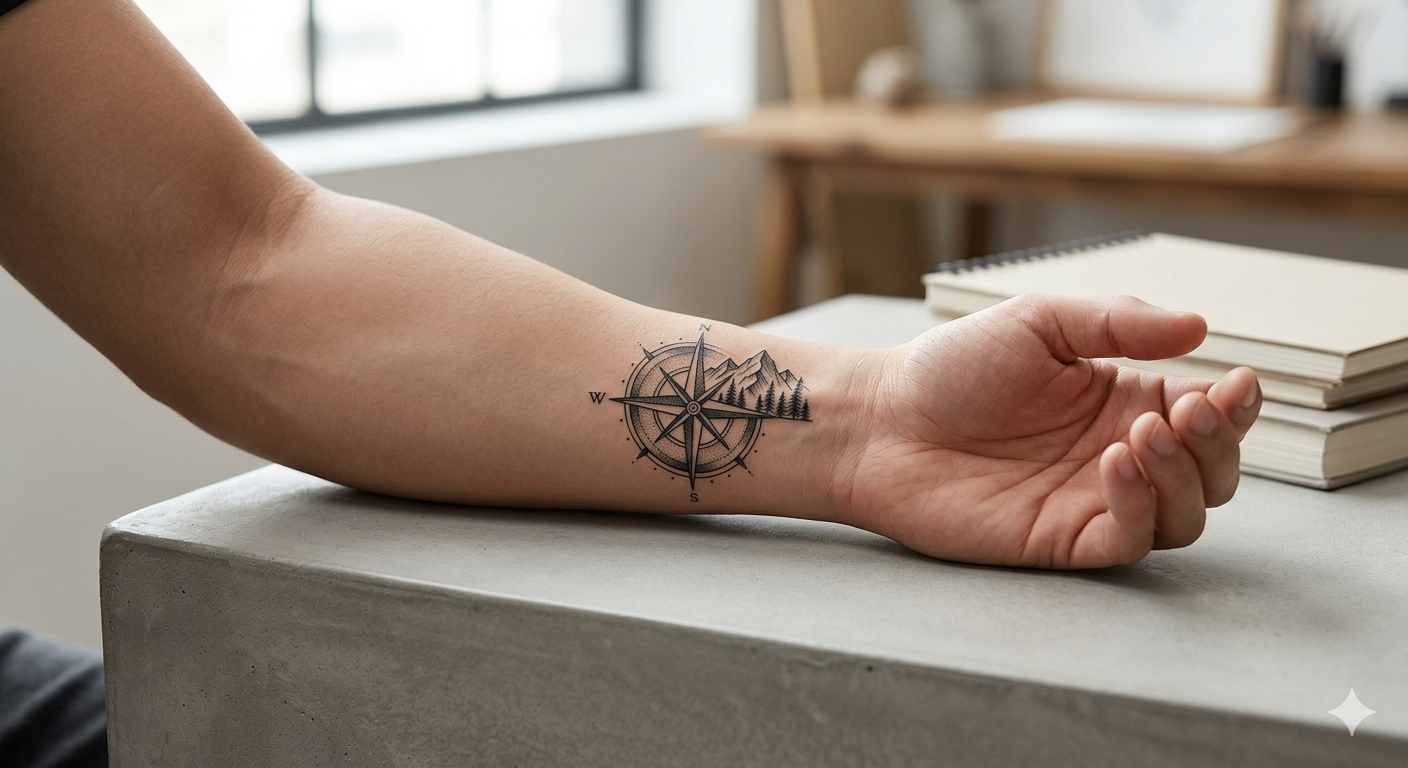
- Forearm
- Thigh
- Calf
- Shoulder
These placements are often recommended if you are getting your first tattoo because they are generally more comfortable.
You may also want to read our guide on preparing for your first tattoo.
Moderate pain areas
These areas may feel uncomfortable but are manageable:
- Wrist
- Upper back
- Chest
- Back of shoulder
Pain in these areas usually depends on tattoo size and session length.
Most painful areas
These areas tend to hurt more due to thinner skin or more nerves:
- Rib cage
- Spine
- Ankles
- Elbows
- Neck
- Fingers
If you plan to tattoo these areas, your artist may suggest starting with a smaller design.
Does tattoo style affect pain?
Yes, tattoo style can also influence the experience.
For example:
- Simple line work tattoos usually take less time
- Shaded or colour tattoos may require longer sessions
- Larger designs increase exposure time to the needle
Many clients today request fine line tattoo designs because they are clean, minimal and often quicker to complete compared to large detailed pieces.
However, even small tattoos can feel intense depending on placement.
Tips to reduce tattoo pain
While you cannot eliminate tattoo pain completely, you can reduce discomfort with proper preparation.
Before your appointment
You should:
- Get at least 7–8 hours of sleep
- Eat a proper meal before your session
- Stay hydrated
- Avoid alcohol 24 hours before
- Avoid caffeine if you are sensitive
These steps help your body manage stress better during the session.
During your session
Helpful tips include:
- Stay relaxed and avoid tensing muscles
- Practise controlled breathing
- Inform your artist if you need a short break
- Bring a friend for support if allowed
Does experience make tattoos less painful?
Many people find that their second or third tattoo feels easier because they know what to expect. Understanding the process reduces anxiety. Some clients even become curious to learn how to tattoo after gaining more exposure to the process and equipment used by professional artists. Understanding how machines, needles and skin interaction work can make the experience less intimidating.
Choosing the right studio matters
Pain is not just about placement. The skill of the artist matters significantly.
Choosing an experienced tattoo studio ensures:
- Proper technique
- Faster clean line work
- Reduced skin trauma
- Better healing results
Poor technique can actually make tattoos more painful and increase healing time.
Final thoughts
Tattoo pain varies from person to person, but proper preparation and choosing the right placement can make the experience very manageable.
Most people find the discomfort worth it for a meaningful and well-executed tattoo. If you are unsure about pain levels, a consultation with an experienced artist can help you choose the right design and placement.
Looking for professional advice? If you’re planning your first tattoo, consult an experienced artist who can guide you through design, placement and preparation to ensure the best experience possible.