

Your cart is currently empty!
October 17, 2025
In the world of tattoo artistry, few styles carry as much history, symbolism, and visual depth as the Japanese tattoo. Often referred to as Irezumi, this traditional form of body art has transcended centuries, evolving from ancient spiritual rituals into an admired global art form. Today, many enthusiasts seek Japanese tattoo experiences that combine cultural reverence with modern precision.
The Origins and Evolution of Japanese Tattoos
Japanese tattoos date back to the Jomon period, where markings symbolized social status and spiritual beliefs. Over the years, designs evolved into intricate narratives portraying courage, loyalty, and moral virtue. Each element—from dragons and koi fish to peonies and waves—carries profound meaning.
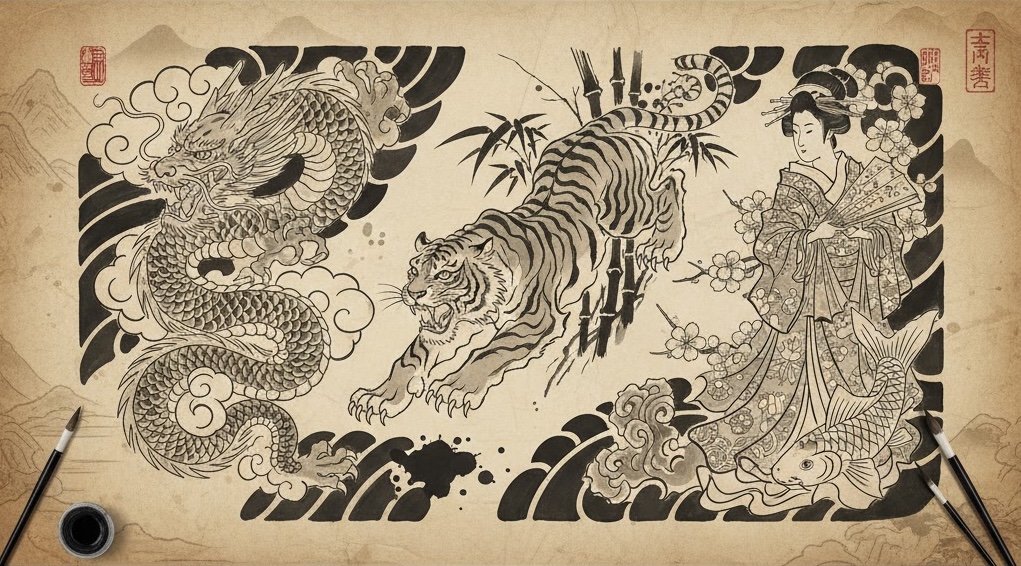
For instance, the dragon represents wisdom and protection, while koi fish symbolize perseverance and transformation. These stories are more than skin deep; they represent the wearer’s personal battles and triumphs. When crafted by an experienced artist, every stroke of ink becomes part of a living canvas that tells a timeless tale.
The Symbolism Behind Traditional Motifs
The beauty of Japanese tattoos lies in the meaning behind every element. A phoenix often symbolizes rebirth and renewal, while tigers represent strength and courage. Cherry blossoms, or sakura, capture the transient nature of life—beautiful yet fleeting.
Each design tells a story that resonates differently with each individual. For many, these tattoos serve as reminders of personal growth, loss, or transformation. In Singapore, where diverse cultural identities coexist, Japanese tattoos have become a bridge between heritage and modern expression.
Modern Interpretations in Singapore’s Tattoo Scene
The modern Japanese tattoo scene in Singapore thrives through artists who blend traditional motifs with contemporary styles. From full-back horimono pieces to minimalist koi sleeves, tattooists respect the roots of Irezumi while infusing modern artistry. Many clients are drawn to these designs not only for their aesthetic appeal but for the depth of meaning they hold.
Skilled artists take time to study the traditional art form—understanding the placement of each design and the balance of colors and shading. These tattoos are often created in stages, requiring patience and dedication. When you book a tattoo appointment, it’s not merely about choosing a design—it’s about finding an artist who understands both the symbolism and the cultural weight of Japanese art.
Japanese Tattoo Techniques: The Art of Tebori
While machine tattoos dominate the modern scene, traditional Japanese tattooing, known as Tebori, is still practiced by a few masters. The technique involves manually inserting ink into the skin using a bamboo rod and a cluster of fine needles. The process is slow and requires immense precision, but it produces a unique texture and depth that machines cannot replicate.
In Singapore, some tattoo studios offer Tebori-inspired techniques for clients seeking authenticity. Whether done by hand or machine, the goal remains the same—to create art that flows harmoniously with the human body.
Choosing the Right Tattoo Artist in Singapore
A well-executed Japanese tattoo requires mastery of composition and flow. Each design must complement the body’s natural contours. When searching for the right artist, pay attention to their portfolio, color work, and shading consistency. The best studios in Singapore value authenticity, hygiene, and creativity.
Many artists take a consultative approach—discussing your story, preferred symbols, and the placement of your tattoo. The process lets your custom tattoo tell your story, ensures that it is not just visually stunning but also personally meaningful.
Cultural Respect and Modern Appreciation
Japanese tattoos were once associated with the Yakuza, Japan’s organized crime groups, which led to social stigma in the past. However, modern society has redefined Irezumi as a legitimate art form, celebrating its craftsmanship and symbolism. In Singapore, artists approach Japanese tattooing with deep respect for its heritage while adapting it to contemporary sensibilities.
For wearers, it’s important to understand the cultural significance of each design. Tattoos such as deities, mythological figures, or sacred animals carry meanings tied to Shinto and Buddhist beliefs. By working with an informed artist, clients ensure their tattoos are created with both authenticity and respect.
Preparing for Your Japanese Tattoo Appointment
Japanese tattoos, especially large-scale designs like full backs or sleeves, require preparation and commitment. Before you book a tattoo appointment, consider your pain tolerance, budget, and healing time. Most artists recommend multiple sessions spread over weeks or months to achieve the full visual impact.
You should also prepare physically—stay hydrated, get enough rest, and eat a proper meal before your session. Avoid alcohol and sun exposure, as both can affect your skin’s condition and ink retention.
Tattoo Aftercare and Longevity
Proper aftercare is essential to maintain the brilliance of your Japanese tattoo. Follow your artist’s advice on cleaning and moisturizing. Avoid swimming, saunas, and direct sunlight for at least two weeks after each session. Once healed, apply sunscreen regularly to preserve color vibrancy.
A Japanese tattoo can last a lifetime when properly cared for. The richness of the pigments, the smooth blending of shades, and the precise line work ensure that your story remains vivid for years to come.
Finding the Right Studio in Singapore
When searching for a tattoo studio that offers Japanese tattoos in Singapore, prioritize hygiene, transparency, and professionalism. Look for studios with proper sterilization practices, clear pricing, and a welcoming atmosphere. Reading online reviews and checking social media portfolios can also help you find an artist whose style aligns with your vision.
The Timeless Appeal of Japanese Tattoo Art
From warriors and mythical beasts to nature-inspired designs, Japanese tattoos capture a harmony between strength and beauty. They remind us that every scar, challenge, and triumph is part of a larger story—a visual diary of life’s journey.
In a city as dynamic as Singapore, where tradition meets innovation, the Japanese tattoo continues to evolve as a symbol of identity and resilience. Whether you’re commemorating a milestone or seeking spiritual balance, a Japanese tattoo connects you to centuries of artistry and meaning.
Final Thoughts
The allure of Japanese tattoos lies not just in their aesthetic beauty, but in their profound storytelling. Each design embodies a blend of personal narrative and ancient symbolism. From dragons that guard the spirit to koi fish that swim against life’s currents, these tattoos represent courage, growth, and transformation.
If you’re considering this style of tattoo, take time to research your artist, understand your chosen symbols, and plan your design carefully. You’re not just adding art to your skin—you’re becoming part of a centuries-old tradition that continues to inspire awe and respect.
Every tattoo holds a story. Let yours be told through the timeless art of traditional Japanese ink.